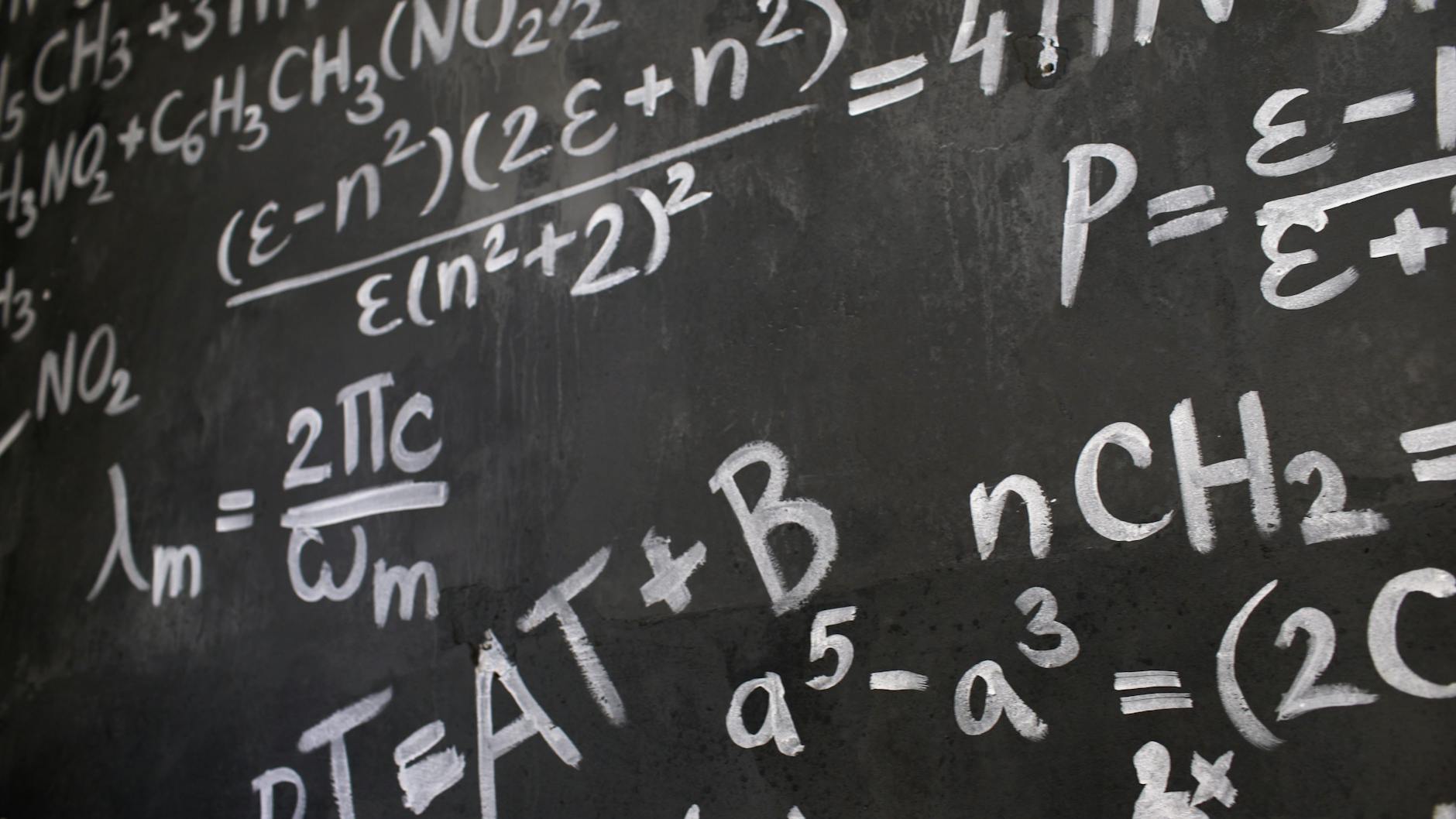
Pi Approximation Day is a fun and somewhat quirky celebration observed by mathematics enthusiasts, educators, students, and anyone with an interest in the fascinating world of numbers. It is dedicated to acknowledging and honoring the mathematical constant pi (π), which is a fundamental element in mathematics, especially in geometry, trigonometry, and many branches of science and engineering.
Pi is an irrational number, meaning its decimal expansion is infinite and non-repeating; it cannot be precisely expressed as a simple fraction. Its approximate value is 3.14159, but the digits continue endlessly without any discernible pattern. This unique characteristic makes pi a captivating subject for mathematicians and number enthusiasts alike. Because pi is essential in calculating the circumference and area of circles—such as planets, gears, wheels, and countless everyday objects—this constant holds both theoretical significance and practical importance in science and engineering.
Pi Approximation Day is typically observed on July 22nd, represented as 22/7 in many date formats. This date was chosen because 22/7 is a widely recognized fractional approximation of pi, offering a simple and accessible way to honor the constant without complex calculations. The fraction 22/7 closely approximates pi—accurate to about two decimal places—making it a popular choice for educators, students, and enthusiasts alike. While some prefer to celebrate Pi Day on March 14th (3/14), which reflects the first three digits of pi, Pi Approximation Day emphasizes the significance of fractional approximations.
Throughout Pi Approximation Day, celebrations take place across schools, universities, and online communities. Events often include math competitions, quizzes, creative projects centered around circles and geometry, and discussions about pi’s historical and modern relevance. Educators use this occasion to teach about pi’s discovery, its mathematical significance, and its role in the development of science and mathematics over millennia. In addition to academic activities, many partake in fun and lighthearted festivities such as baking pies (playing on the homophones “pi” and “pie”), creating pi-themed artwork, or sharing humorous math memes and jokes.
Beyond entertainment, Pi Approximation Day serves an important educational purpose. It sparks curiosity about mathematics, encourages critical thinking, and fosters appreciation for how constant numerical relationships help us understand the universe. The day offers a chance to admire the beauty of mathematical constants, their infinite complexity, and their surprising applications in various scientific phenomena. Whether you’re a student exploring circles or a seasoned mathematician delving into advanced theories, Pi Approximation Day highlights the elegance and power of mathematics in our world.
In essence, Pi Approximation Day is more than just a date on the calendar—it’s a celebration of curiosity, creativity, and humanity’s enduring fascination with numbers and the cosmos. It brings people together to explore one of the most intriguing and fundamental constants in mathematics, inspiring wonder and a deeper appreciation for the elegant language of numbers that underpins our understanding of the natural world.
Leave a Reply