
Image source: wikimedia
King Loiyumba, also known as Meidingu Loiyumpa, was a Meitei king who ruled the Kangleipak (Manipur) kingdom. His name in Old Manipuri is written as ꯂꯣꯢꯌꯨꯝꯄ, and it is romanized as Loi-yumpa or Loi-yūm-pa. He is remembered as an important ruler in Manipur’s early history, especially for introducing organized systems of administration and governance.
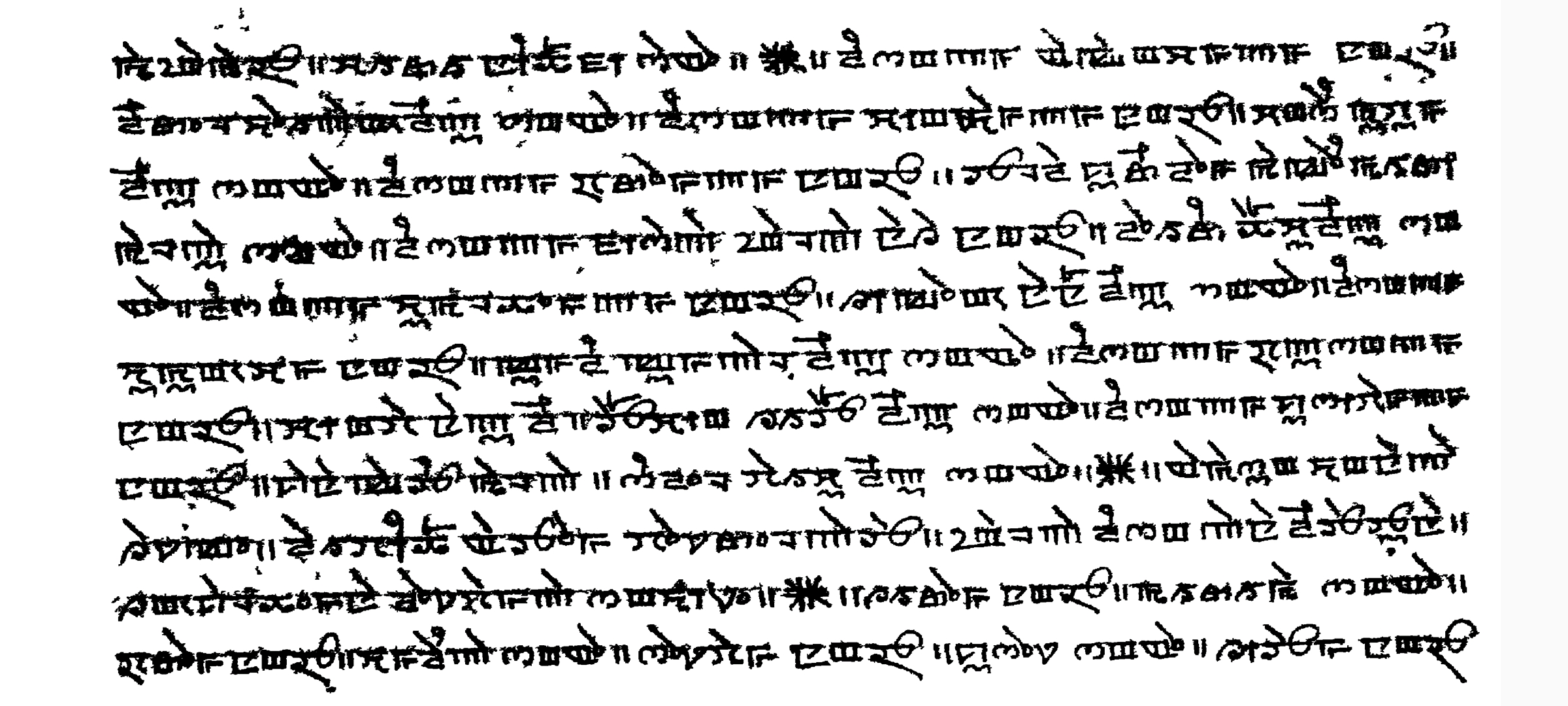
Loiyumpa Silyel (Loiyumba Shinyen) is one of the earliest written systems of laws and administration in Manipur. It was introduced during the reign of King Loiyumba (around 1074–1122 CE). This document helps us understand how early Meitei society was governed and how its political and social systems were organized.
Historical Background
The Loiyumpa Silyel was compiled in the 11th–12th century, long before British rule in India. At this time, Manipur was changing from a loose clan-based society into a more organized and centralized kingdom. The rules and systems described in this code were based mainly on indigenous Meitei traditions, not on Brahmanical or foreign legal systems.
Main Features

Image source: wikimedia
One of the key ideas of the Loiyumpa Silyel was the division of work among clans (Yek/Salai). Each clan was given specific duties that were passed down through generations. These duties included administration, craftsmanship, military service, religious rituals, and service to the king.
The code also explained how the state administration should function, clearly defining the roles of ministers, officials, village heads, and court officers. It regulated the economy, including the production of essential goods such as salt, metal tools, textiles, pottery, and agricultural products.
Religion played an important role as well. The system closely linked Sanamahi religious practices with governance and daily life. By clearly assigning duties and responsibilities, the Loiyumpa Silyel helped maintain social harmony and reduced conflicts within society.
Importance
The Loiyumpa Silyel is often called a proto-constitution of Manipur because it laid down structured rules for governance. It shows an early form of organized administration, comparable to famous ancient legal systems such as the Code of Hammurabi in Babylon, the Arthashastra in India, and the early law codes of ancient Greece.
This document highlights Manipur as a politically advanced and well-organized civilization in early medieval Asia.
Cultural and Historical Value
The system emphasized collective responsibility over individual interests, a feature common in many East and Inner Asian societies. Its influence lasted for centuries, and many clan-based duties continued well into modern times. Today, the Loiyumpa Silyel remains an important historical source for understanding pre-colonial governance in Northeast India.
In Simple Terms
The Loiyumpa Silyel was not just a set of laws. It was a blueprint for civilization, showing how early Manipur balanced governance, economy, religion, and social order in a structured and thoughtful way.
It was replaced by the Manipur State Constitution Act 1947, that was functional until Manipur was merged into Republic of India on October 15, 1949.
Leave a Reply